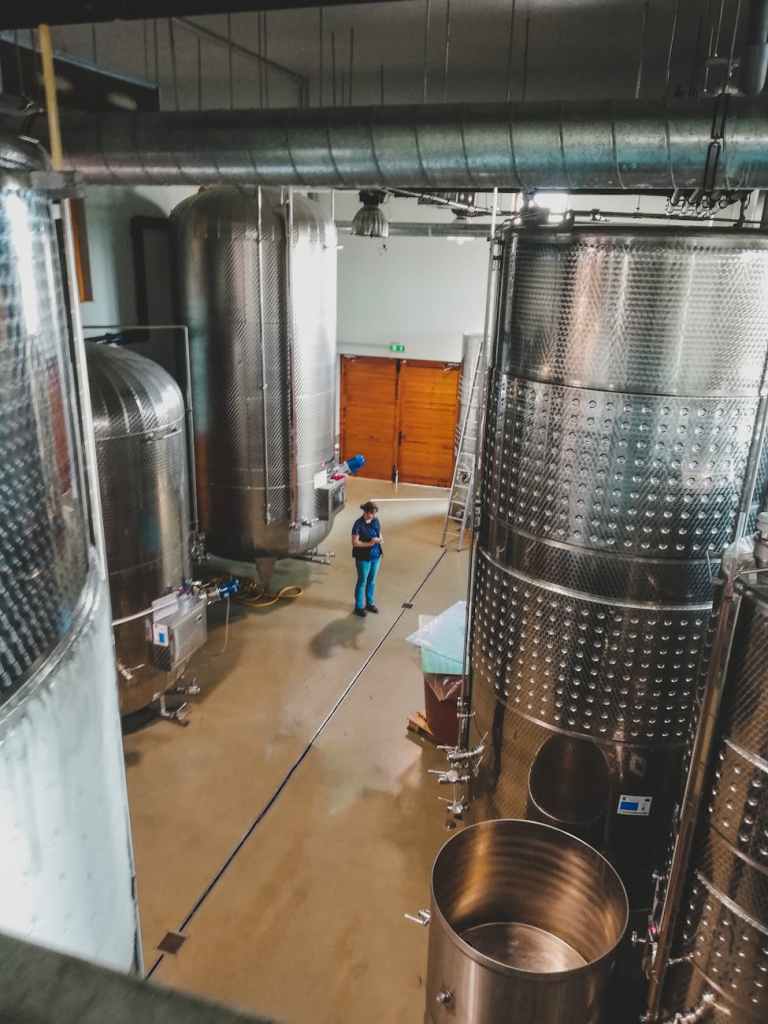
There is a perception among the line workers, material handlers, and all other value-added non-overhead workers, that engineers never leave the office. It does not matter the industry; could be manufacturing, transportation, or customer service. The people who are out there getting their hands dirty and performing the value-added tasks that customers are paying for, complain regularly about not seeing their engineers. Some do not even know they have supporting engineers.
And that claim is not without merit. I have worked with many Industrial Engineers who would rather stare at a set of data than go out and look at the process. Or watch the computer version of a manufacturing problem and think “its fine” when the only reason its fine is because the operator is having to manually reset the machinery each cycle. Or even worse: tell a team lead requesting engineering assistance “Well, if you followed the engineering loading standard then these trucks wouldn’t have left late” instead of seeing that their shipping department trailers were not getting swapped out at all because the switcher drivers were sleeping in a makeshift break room underneath the stairs.
To further drive home the point, how can you know for sure that changeover times are exceeding the standard due to materials quality and not operator error? How can you know that your belt conveyors are responsible for destroying packages if you do not go out there and observe it? Does the union steward have a legitimate grievance or just blowing smoke? Some time out in the operation can answer all of these questions for you.
I am going to state a painful truth: Data means nothing to you if you do not understand the underlying process. And the best way to understand the underlying process is to go out and spend time in it.
Data analytics and simulation models are meant to accompany eyes on the ground, not replace them. An 8-hour shift on the floor will teach you exponentially more about the process, what the required steps are, what variability exists, and all the little tricks that employees do to keep up (or not), than any wall of data.
All of the major Industrial Engineering job duties cannot be done entirely behind a desk. If you were to try and do any of these exercises without going out and observing the operation, not only will your analysis and recommendations be incorrect, you will also develop a bad reputation among the people you are supposed to support.
Second to understanding the process, the relationships built and maintained via floor presence is of the upmost importance. The operation you are supporting deserves to know who their engineer is. And you deserve to know the people who are doing the process you are being paid to optimize.
Spending time in the operation shows everyone that you care. That you want to understand how the business functions, and that you are a resource that operations can use to help them do their jobs. You might even learn some new things from the employees. Which automatically improves your standing in their eyes. You will begin to develop a reputation as an engineer that not only understands the process, but goes out and talks to the people who do it. Word about the rapport you build with the employees will spread like wildfire. It is here that you become extremely valuable.
With that valuable reputation comes money. Which lets be real, a paycheck is why we all go to work in the first place. A good reputation always leads to large paychecks. This process is quite simple: Frequent floor presence over a length of time -> better analysis and solutions -> building rapport with operations employees and leadership -> established reputation as a valuable resource -> larger paychecks. This has worked for me at three companies plus the military, and it will work for you too.
Everyone can go out to the floor on a regular basis to build rapport with the people who do the job. Absolutely everyone, regardless of intelligence or social skill. All it takes is the will to do it. The ability to build rapport with employees comes with time. If social interaction is difficult for you, practice will make perfect. Just remember, you are doing this for work purposes only. You have a job to do. You are not looking for a new friend, or a date, although do not be surprised if you make a new friend or two out there.
You do not always need a reason to walk out into the operation. I typically take a walk out there after eating lunch so I do not get drowsy. But typically, being out there with a purpose is good practice. Like to watch an aircraft get offloaded, to monitor the variance between bottle fill weights, or even just to “team-build” (code for BS’ing) with the team leaders.
If you are relatively new in your role, try just being out in the operation, observing and talking to the employees who do it, and see how much you learn. You will be pleasantly surprised.
An Afterthought:
If you are not shy and you just do not like being out in the operation, preferring to run analytical models and stare at monitors all day, then perhaps Industrial/Process/Manufacturing Engineering is not for you. There is no shame in this, but floor presence is vital to a solid and stable career in this area.
 Meridian Industrial Engineering
You must be logged in to post a comment.